Sweet Potato
Shariq Ali
Valueversity
“Sir… this used to be Dr. Kamal’s clinic.”
Professor Razi’s soft-spoken, lifelong Mirpurkhas resident and driver, Ayoob Ali, whispered this to me.
We had parked the car at the end of the street and walked our way through the rush, the stalls, and the crowd of New Town’s busy lane to reach this spot.
I turned my face toward the other side of the street. The silence of a demolished building stood before me. My heart sank with grief. The broad street of my memory had shrunk into a narrow, congested lane. Fruit and vegetable stalls lined both sides, people brushing past each other, the noise of bargaining filling the air. I had returned here after sixty long years—searching for the four- or five-year-old child I once was. My eyes wouldn’t move away from the empty plot where the old building had been torn down and the foundations of a new shopping plaza had already been laid.
This was the home of a four-year-old child. Here he opened his conscious eyes, learned to dream and to love, and made his first friend. That house was a pleasant memory; this empty plot is a sorrowful sight.
An idealist—who, despite maturity and a comfortable life, doesn’t know the names of fashion brands, has no interest in the latest cars or luxury lifestyles, considers travelling first class almost morally wrong, and whose only real wealth is love, human relationships, and dreams of a better world—stands here, deeply saddened.
Shama Bhavan, before Partition, was probably the residence of a wealthy Hindu family, or perhaps it was once a small temple. Its walls had decorative arches and colourful frescoes depicting Hindu mythological tales, later covered by the Muslim owners with light blue paint. As children, we would scratch the walls to uncover those hidden paintings. Each room had Italian tiles, each with a different pattern.
This two-storey, probably six-room house had ornate designs painted across its white ceilings. The front courtyard, built with red bricks, must once have had a fountain in its centre. Later, a hand-pump was installed there, from which sweet, drinkable water flowed. Neighbours—and the water-carrier (Bhishti) from our street—would fill their water skins from this pump with Ammi’s permission and distribute it. The ground floor was sufficient for our use, so we rarely needed to go upstairs. The front door opened toward Dr. Kamal’s clinic, while the back door opened into the rear lane, where Dr. Zubaida’s clinic and Advocate Yusuf’s office were located.
On the second floor of what was once Dr. Kamal’s clinic—now turned into a warehouse—lived Hamid, the first friend of my life.
Our windows faced each other across the street. The distance was such that voices couldn’t reach, yet during our little “kite flying” games, we could still wave to one another.
That kite-flying was something special. My elder brothers would fold a page from a notebook, tie it to the end of a two-yard string, and hang it out the window. Holding the other end, I would jerk the string to make this paper “kite” move from side to side. Hamid would sit in his window across the street doing the same. In the blazing summer afternoons, we weren’t allowed to meet outside, but from inside our rooms, we could still “fly” these little kites and play together.
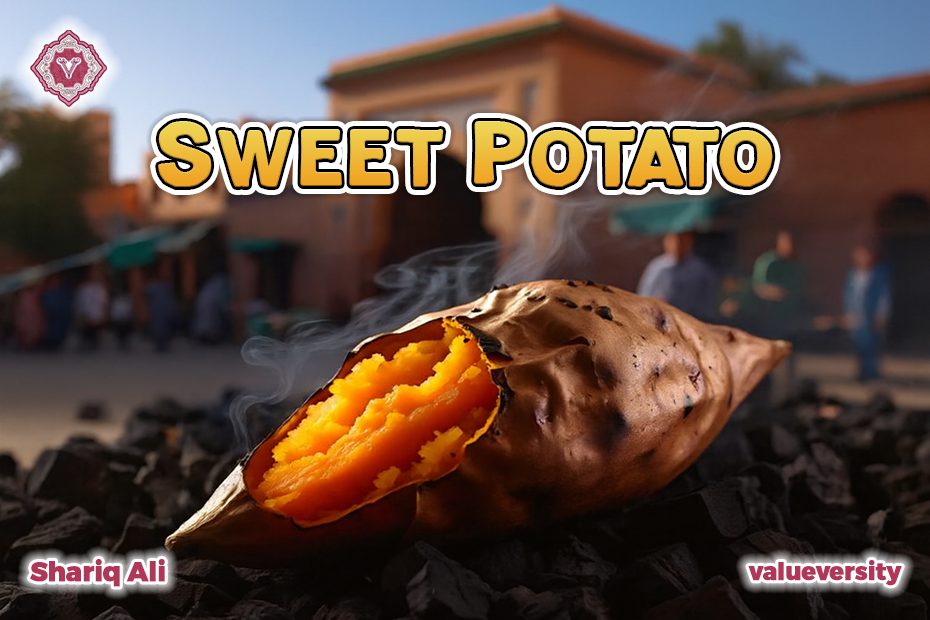
By evening, after washing up, either he would come to my home or I would go to his. I tasted roasted corn kernels and sweet potatoes baked in embers for the first time at his house. He tasted sponge cake and pudding for the first time at mine. Only one street separated our homes, and yet that small distance gave us our first sense of a divided world. Later I joined the English-medium kindergarten of APWA School, and he was admitted to a government school named Bhurgari.
We saw our first monkey-and-bear street show together. For the first time, we planted a sapling and tried—unsuccessfully—to turn it into a tree. During the ’65 war, we waved goodbye to soldiers heading toward Monabao in armoured vehicles.
Hamid taught me how to roll and steer a metal hoop using a curved iron rod. He was stronger than me and always won at wrestling, but I outran him every time. When we went to the bakery to buy egg-bread, my elder brother’s friend would gift us a double-yolk egg. We would stare at the twin yolks in amazement and consider him a magician.
A few minutes later, Ayoob Ali and I walked out of the lane. As we walked, I felt as though Hamid had waved at me once more. At the corner stood a man selling sweet potatoes roasted in ashes. I asked Ayoob Ali to sit in the car. I picked one sweet potato, placed the note in the seller’s hand, and returned to the car without taking the change—leaving him surprised.
How could I explain to him that this sweet potato was priceless?